

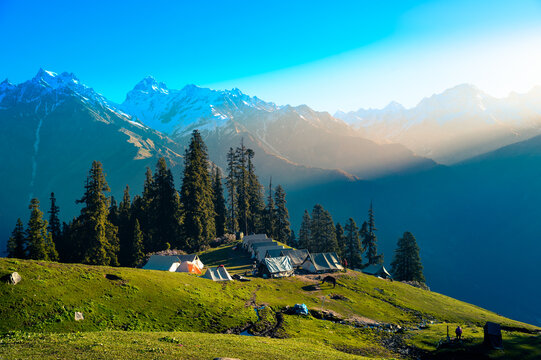
Hidden high in the Trans-Himalayan region of Himachal Pradesh, Spiti Valley is a destination that feels almost otherworldly. Known as the “Middle Land” between India and Tibet, Spiti is a cold desert surrounded by dramatic mountains, ancient monasteries, and some of the highest motorable roads in the world. For travelers seeking raw beauty, spiritual calm, and thrilling road journeys, Spiti offers an experience unlike anywhere else in India.
Spiti is not just a destination—it’s an adventure. The valley is famous for its stark landscapes, deep gorges, and crystal-clear skies. Unlike the lush green valleys of other parts of Himachal, Spiti’s terrain is rugged, barren, and breathtakingly beautiful. The silence of the mountains, the warmth of the local people, and the timeless culture create a journey that stays with you long after you return home.
Top Places to Visit in Spiti
1. Kaza – The Heart of Spiti
Kaza is the main town and administrative center of Spiti Valley. It serves as the base for exploring nearby villages, monasteries, and high-altitude lakes. You’ll find small cafés, local markets, and comfortable stays here.
2. Key Monastery
Perched dramatically on a hilltop, Key Monastery is the largest and most iconic monastery in Spiti. Over a thousand years old, it is a spiritual hub for Buddhist learning and offers stunning panoramic views of the valley.
3. Hikkim, Komic, and Langza
These high-altitude villages are among the highest inhabited places in the world.
4. Chandratal Lake
Also known as the “Moon Lake,” Chandratal is a crescent-shaped high-altitude lake surrounded by snow-capped peaks. The turquoise waters and peaceful surroundings make it one of the most beautiful spots in the region.
5. Tabo Monastery
Often referred to as the “Ajanta of the Himalayas,” Tabo Monastery is over a thousand years old. Its ancient murals, mud structures, and sacred caves make it one of the most important cultural sites in Spiti.
Spiti Valley is more than just a travel destination—it is a journey into one of the most untouched and spiritually rich regions of the Himalayas. With its dramatic landscapes, ancient monasteries, high-altitude villages, and thrilling roads, Spiti offers an experience that is both adventurous and deeply peaceful. Every turn reveals a new view, every village tells a story, and every moment in the valley feels timeless.

himgirimail@gmail.com
9459968873 | 9805362115
Sun Shine Building, Mashobra 2 , 171007
Himgiri Travel is a leading travel agency based in the beautiful hill station of Shimla, with over years of experience in providing exceptional travel services to our clients.

© Copyright 2025 Designed and developed by Tech Sprinters Pvt Ltd.
